Garage doors do far more than simply open and close. They protect vehicles, tools, storage items, and sometimes even serve as the main entry point to a home or business. In hot climates like Phoenix and Ahwatukee, Arizona, garage doors work especially hard. Extreme heat, intense sunlight, dust, and seasonal monsoon storms can all take a toll on essential garage door components.
Understanding the key parts of your garage door—and how Arizona’s climate affects them—can help you spot issues early and keep your system operating safely and reliably. With regular maintenance and prompt repairs from the professionals here at Gryffin Garage Door, home and business owners can keep their garage doors running smoothly all year long.
Why Garage Door Components Need Extra Attention in Arizona
The Phoenix metro area, including Ahwatukee, regularly experiences summer temperatures exceeding 110°F. These extreme conditions can accelerate wear on many garage door components.
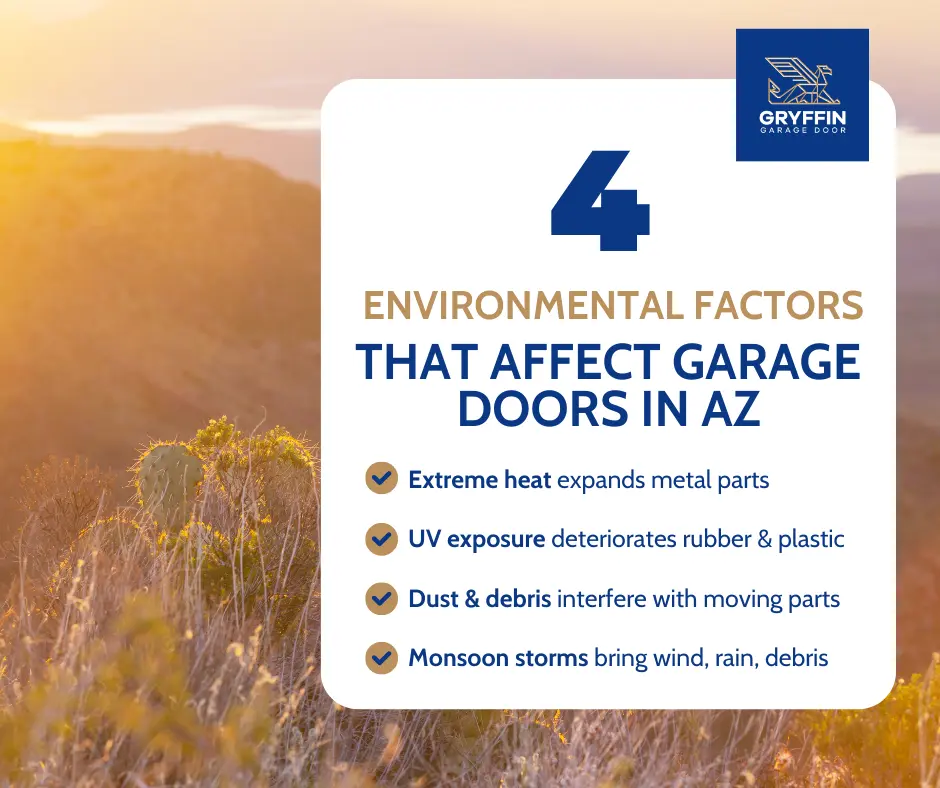
Some common environmental factors that affect garage doors include:
- Extreme heat that causes metal components to expand
- Intense UV exposure that deteriorates rubber and plastic parts
- Dust and debris that interfere with moving components
- Monsoon storms that bring wind, rain, and debris
Over time, these elements can impact the performance of your garage door if maintenance is neglected. That’s why it’s important to understand the primary garage door components and how they work together.
Related article: Why Annual Garage Door Maintenance is a Must in Phoenix, AZ
7 Essential Garage Door Components Every Arizona Homeowner Should Be Aware Of
1. The Garage Door Panels: Providing Structure and Protection
The most visible of all garage door components is the door itself, which is typically made of several horizontal panels connected by hinges.
Residential Garage Door Panels
Most residential garage doors are sectional doors, commonly measuring around 16 feet wide by 7 feet tall for a two-car garage. Common materials include:
- Steel
- Aluminum
- Wood
- Insulated steel for improved energy efficiency
In Arizona’s extreme heat, metal panels can expand and contract, which may cause alignment issues over time. Additionally, prolonged UV exposure can fade finishes and weaken certain materials.
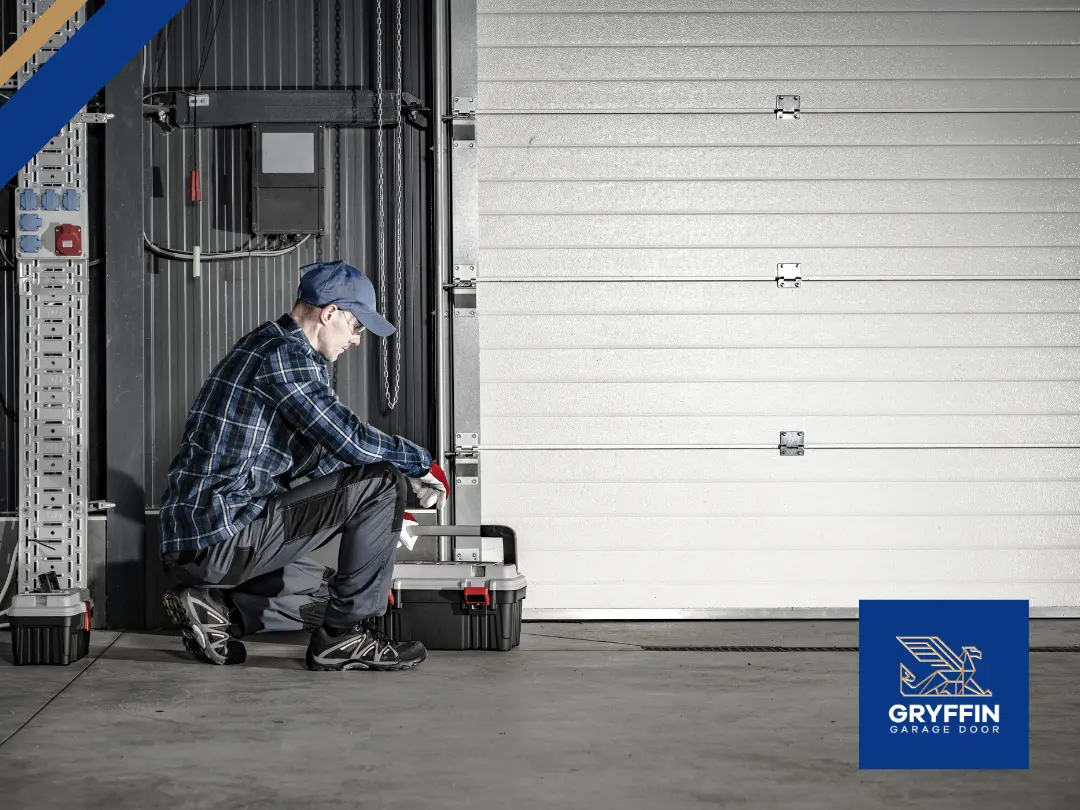
Commercial Garage Door Panels
Commercial garage doors are typically much larger and heavier than residential doors. They may include:
- Reinforced insulated steel panels
- Wind-rated construction
- Fire-rated designs for safety compliance
Because of their size and weight, commercial doors require stronger supporting garage door components and more frequent maintenance.
2. Hinges and Struts: Supporting the Door’s Structure
Hinges connect each panel section, allowing the door to bend and follow the track when opening and closing. Over time, these hinges can loosen, crack, or wear out due to constant movement.
Struts are metal reinforcement bars installed across door panels to prevent sagging. In areas like Phoenix, where extreme heat can affect metal strength, these reinforcements are especially important for maintaining structural integrity.
Routine inspections help ensure these garage door components remain secure and properly aligned.
3. Tracks and Rollers: Guiding the Door’s Movement
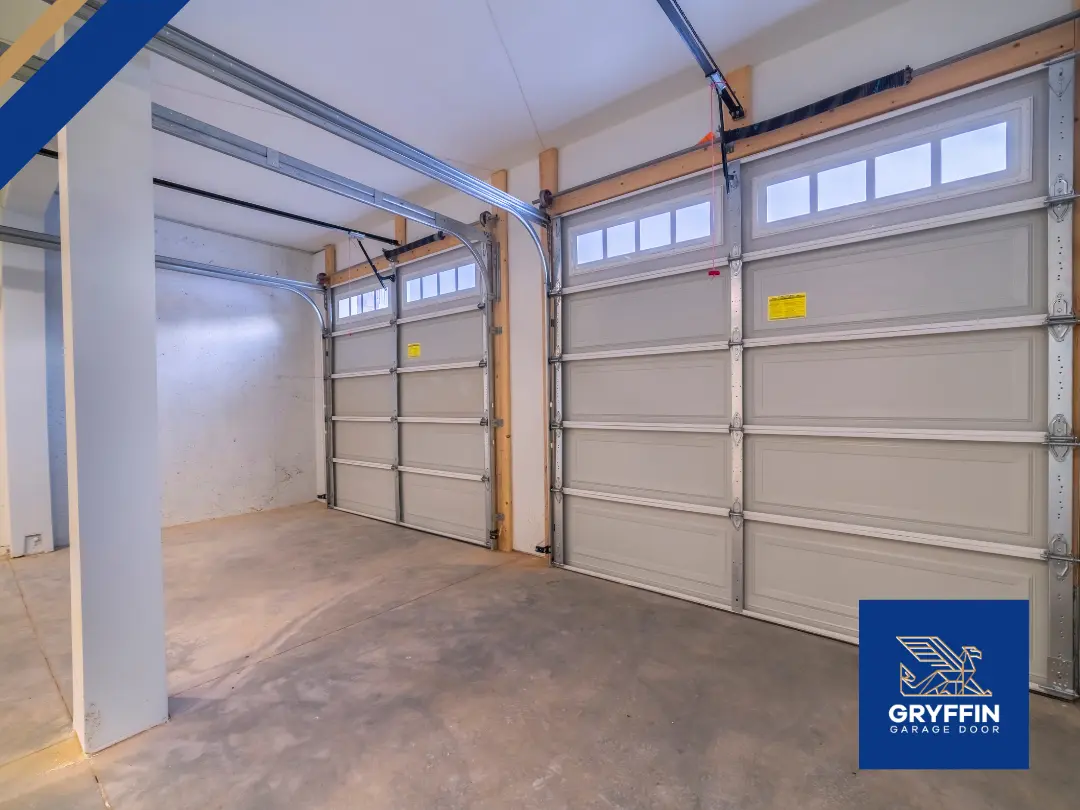
Garage door tracks are mounted along the sides of the opening and extend overhead along the ceiling. They guide the door along its path when opening or closing.
Key Components:
- Vertical tracks guide the door upward from the ground
- Curved sections transition the door from vertical to horizontal movement
- Horizontal tracks hold the door parallel to the ceiling when open
Inside these tracks are rollers, which are small wheels attached to the door edges that allow smooth movement.
How Arizona’s Climate Impacts Tracks and Rollers
Dust and debris—especially common in desert environments—can accumulate inside tracks and around rollers. This buildup can cause:
- Grinding noises
- Jerky movement
- Premature roller wear
Lubricating and cleaning these garage door components regularly helps prevent unnecessary strain on the entire system.
4. Springs and Cables: The Heavy Lifters
One of the most critical groups of garage door components is the spring system. Springs do the heavy lifting required to raise and lower a garage door that may weigh 200 pounds or more. Since Arizona’s heat can accelerate metal fatigue, however, springs may wear out faster without proper inspection and maintenance.
Torsion Springs
Most modern garage doors use torsion springs, which are mounted above the door opening. These springs twist tightly to store energy and then release it to assist with lifting the door.
Extension Springs
Some older or lighter doors use extension springs, which stretch along the sides of the door.
Cables
Steel cables work together with springs to lift the door evenly and safely.
Important Safety Note: Garage door springs operate under extreme tension. Attempting DIY repairs on these components can be dangerous and should always be handled by trained professionals.
Related article: Spring Tension Adjustment: Why It’s Essential for a Safe, Smooth-Running Garage Door
5. Drums, Shafts, and Bearings: The Mechanical Core
Garage doors rely on a central shaft system to coordinate movement.
Drums
Located on both ends of the torsion shaft, cable drums wind and unwind the lifting cables as the door moves.
Shaft
The torsion shaft connects the spring system and rotates to distribute lifting force evenly.
Bearings
Bearings allow the shaft to rotate smoothly without friction.
Without regular lubrication, these garage door components can wear prematurely, especially in hot climates where metal parts expand and contract more frequently.
6. The Garage Door Opener: Providing Power and Control
The garage door opener is the motorized system that automates the opening and closing process.
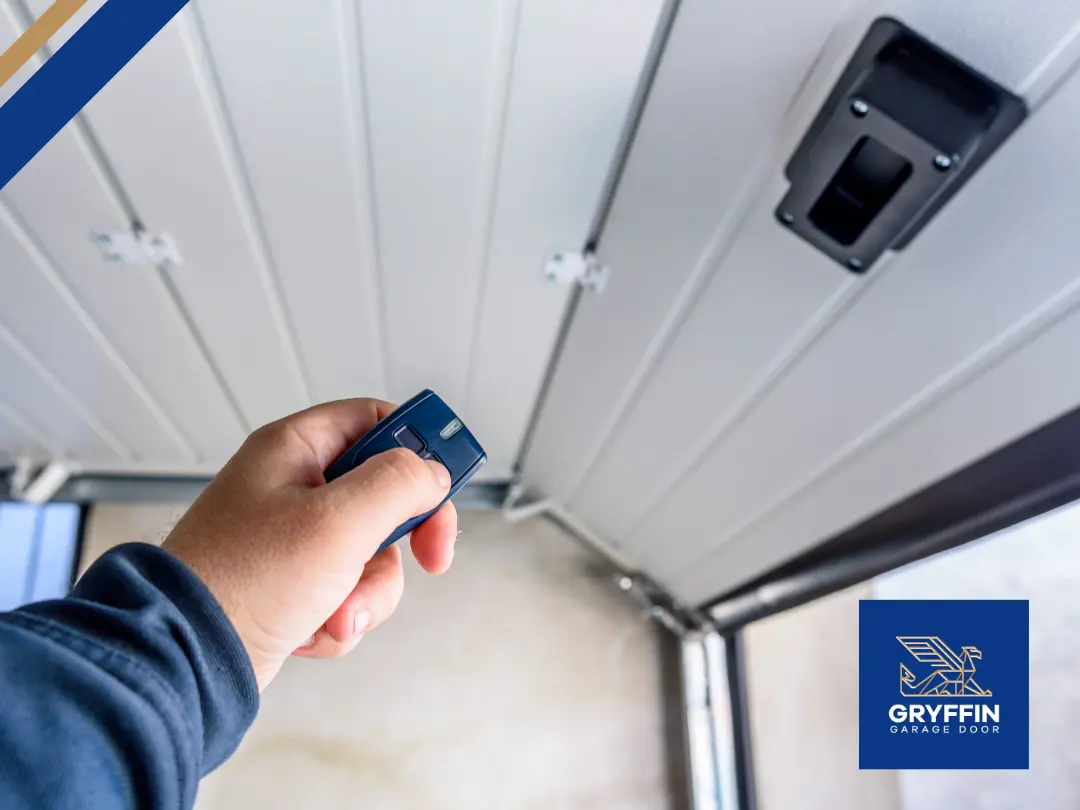
Common types include:
- Belt-drive openers (quiet and ideal for residential use)
- Chain-drive openers (durable and affordable)
- Screw-drive openers (simpler mechanical design)
Most residential openers use ½-horsepower motors, while commercial systems often require ¾-horsepower or more.
Safety Sensors
Modern garage doors include photoelectric safety sensors near the bottom of the door. These sensors detect obstacles and automatically reverse the door if something is in the way.
In Arizona’s bright sunlight and dusty environment, these sensors can become misaligned or dirty, which may cause the door to malfunction. Regular cleaning and adjustment help keep them working properly.
7. Weather Seals and Insulation: Protecting Against the Elements
Another important group of garage door components is the weather-sealing system.
These seals include:
- Bottom rubber seal to keep out dust, insects, and debris
- Side and top seals that close gaps around the door frame
During monsoon season in Phoenix and Ahwatukee, these seals help prevent rain and wind-driven debris from entering the garage.
However, prolonged UV exposure can cause rubber seals to dry out, crack, or shrink. Replacing worn seals improves both protection and energy efficiency.
Why Regular Maintenance of Garage Door Components Matters
Because garage doors contain many interconnected components, a problem with one part can quickly affect the entire system.
Routine garage door maintenance helps prevent issues such as:
- Noisy or jerky door operation
- Premature component wear
- Broken springs or cables
- Doors going off track
- Opener strain and motor failure
Related article: Essential Garage Door Maintenance Tips for Phoenix Homeowners
A professional garage door inspection typically includes:
- Lubricating moving parts
- Tightening hardware
- Inspecting springs and cables
- Cleaning and aligning sensors
- Checking track alignment
Regular service is especially important in the Arizona desert climate, where environmental factors accelerate wear.
Professional Garage Door Maintenance and Repairs in Ahwatukee and Phoenix
Whether you need routine maintenance, emergency repairs, or a new garage door installation, professional service helps ensure your garage door operates safely and efficiently.
At Gryffin Garage Door, our experienced team provides expert service for both residential and commercial garage doors throughout Ahwatukee and the greater Phoenix area. Our technicians understand how Arizona’s climate affects essential garage door components and can quickly diagnose and repair issues before they become costly problems.
Related article: 6 Common Garage Door Problems in Ahwatukee & Phoenix & How to Prevent Them
From spring replacements and roller repairs to opener installations and complete garage door upgrades, our team is committed to keeping your garage door operating smoothly in every season.
Keep Your Garage Door Running Smoothly Year-Round with Gryffin Garage Door
Your garage door is one of the hardest-working systems in your home or business. Understanding the key components of a garage door and scheduling regular maintenance can extend its lifespan, improve safety, and prevent unexpected breakdowns.
If your garage door is making unusual noises, struggling to open, or showing signs of wear, professional service can help restore smooth and reliable operation.
Contact us at Gryffin Garage Door today to schedule expert maintenance or repairs and keep your garage door performing at its best in Arizona’s demanding climate.